Roofers in the Strip District, Pittsburgh
The Strip District's old warehouses and produce buildings are now lofts, offices, restaurants and shops. Most of them sit under large low-slope roofs with years of history and plenty of rooftop equipment.
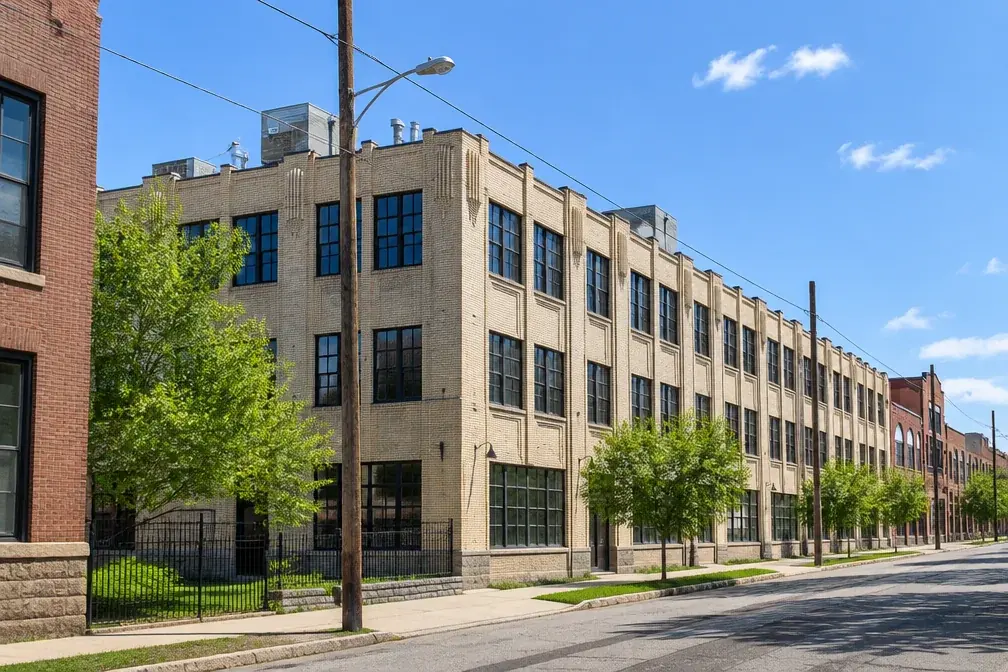
Rooftop equipment and restaurant exhaust
Every curb and pipe through a roof is a potential leak. Restaurant buildings have another problem: grease from kitchen exhaust fans breaks down many roofing membranes unless it is contained, and this often gets missed.
We work with building owners and managers on repairs, replacements and regular upkeep. See commercial roofing for how we scope a building.
Areas we cover in Strip District
- Penn Avenue
- Smallman Street
- Liberty Avenue side
What our roofers do in Strip District
Here is everything our crew handles for homes and buildings in Strip District.
- repairs from our Pittsburgh roofers
- new roofs from our roofers
- help with roof leaks
- emergency roofers
- slate roofers in Pittsburgh
- rowhouse rubber roofs
- metal roofing in Pittsburgh
- small commercial roofs
- seamless gutters in Pittsburgh
- soffit and fascia work
- roof inspection in Pittsburgh
- ice dam removal
- roof ventilation
Planning a roof job in Strip District
Streets here are busy with deliveries and foot traffic, so material drops are planned around that and may need early hours. Tell us about tenants below the work. Inside the City of Pittsburgh, permit questions go to the Department of Permits, Licenses and Inspections. We check what your job needs before we start.
For budgets and decisions, see our repair or replace guide.
Questions for roofers in Strip District
Do roofers in the Strip District handle warehouse roofs?
Yes. We repair and replace low-slope roofs on Strip District warehouses, including the flashing at parapets, kitchen exhausts and rooftop units. Most leak repairs run $350 to $1,500.
Does restaurant grease damage a Strip District rubber roof?
Yes. Federal roofing guide specifications state that grease and oil attack EPDM, and that kitchen exhaust must be directed away from the roof. On a Strip District restaurant, containing grease at the exhaust fan protects the membrane.
What is the purpose of a secondary scupper on a Strip District roof?
It is the emergency overflow. Where parapets would trap water if the main drains clogged, the 2026 building code requires overflow drains or scuppers so water spills out before it builds up. That matters on Strip District warehouses with tall brick parapets.
Can you put a new roof over an old flat roof in the Strip District?
Only sometimes. As of 2026, the building code bars a recover where the existing roof is water soaked or already has two or more roof coverings. Many Strip District warehouses have several old layers, so those come off first.